
A trade show has its own rhythm.
The first day is driven by curiosity. By the second, visitors know exactly what they want to discuss. By the third, the pace slows, but the conversations become sharper, more focused, and far more meaningful.
IIID Showcase Insider X 2026 followed that rhythm perfectly.
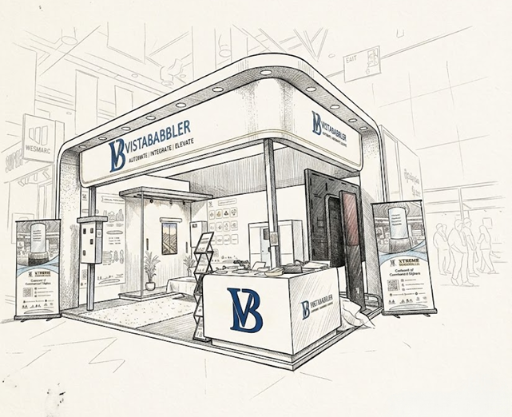
Over three days at Stall B20, we engaged with architects, PMCs, consultants, system integrators, and project decision-makers. Looking back, one theme consistently emerged—often before brochures were exchanged or business cards changed hands. Visitors recognised the value of having every critical building technology solution under one roof. In today’s increasingly integrated projects, that isn’t just convenient; it’s exactly what the industry needs.
Day 01 · Curiosity
Beyond Products, Towards Accountability
Like seasoned design professionals, most visitors spent the opening day observing before engaging.
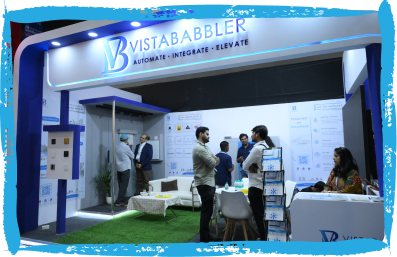

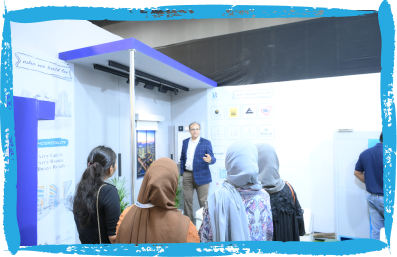
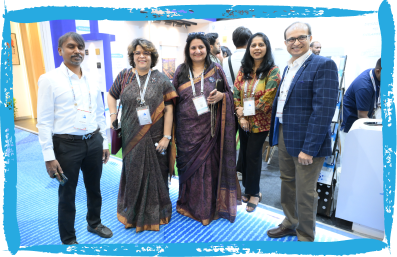
What stood out was how quickly conversations moved beyond individual products and into the bigger picture of project integration. Visitors weren’t simply asking what solutions we offered; they wanted to understand how Lighting Controls, ELV Systems, Passive & Active Networks, Professional Audio Visual, and Building Management Systems could work together through a single, accountable partner.
That reflected a significant shift from previous years.
The discussion was no longer centred on individual technologies. Instead, it focused on ownership, who takes responsibility when multiple building systems must perform seamlessly as one integrated ecosystem.
Day 02 · Specificity
Real Projects, Real Conversations
By the second day, the discussions became markedly more specific.
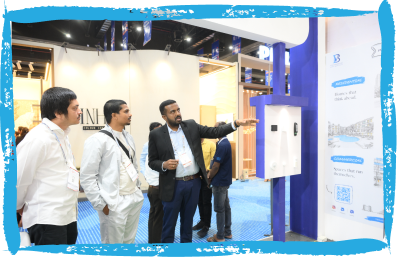
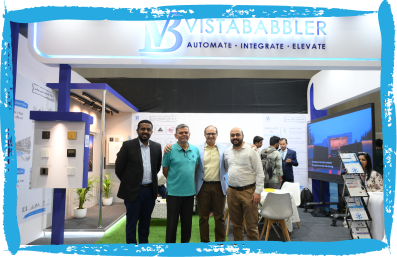
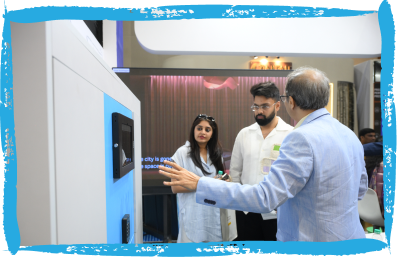
Visitors were no longer browsing. They arrived with floor plans, commissioning strategies, and active project requirements. Conversations revolved around integrating Building Management Systems with network infrastructure, deploying intelligent lighting scenes across different spaces, and coordinating multiple technologies to meet project objectives.
These were not exploratory conversations; they were project conversations. They came from professionals actively delivering live developments, making every discussion relevant, practical, and grounded in immediate requirements.
One interaction, in particular, stood out. A project team approached us with a specific integration challenge, and together we explored practical solutions aligned with their project’s needs. It was a reminder that the most valuable conversations at a trade show don’t end at the exhibition, they become the starting point for lasting project partnerships.
The Numbers and What They Really Mean
By the end of the exhibition, our team had collected a substantial number of business cards and recorded many qualified conversations over the three-day event.
A significant proportion of these interactions were with architects and PMCs actively specifying products for ongoing projects, rather than simply exploring possibilities for the future.
Yet the numbers tell only part of the story.
Several visitors returned to Stall B20 multiple times throughout the exhibition, not to browse again, but to continue conversations that had already begun. Those repeat visits reflected genuine interest, growing confidence, and meaningful engagement.
In many ways, those returning conversations were the strongest indicator of the exhibition’s success. They signaled relationships in the making, serious project discussions, and opportunities with real business potential.
Day 03 · Depth
Fewer Visitors, Deeper Engagement
As expected, the final day saw lighter footfall, but the depth of engagement reached its highest point.
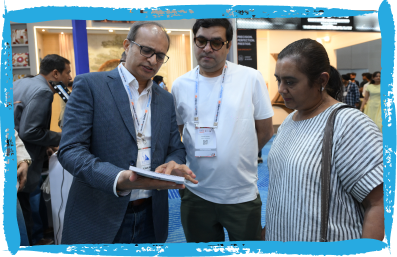
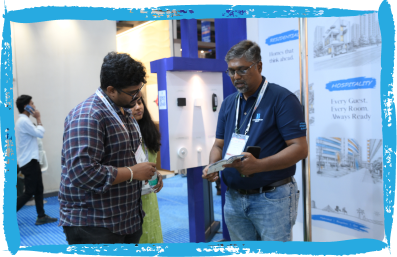
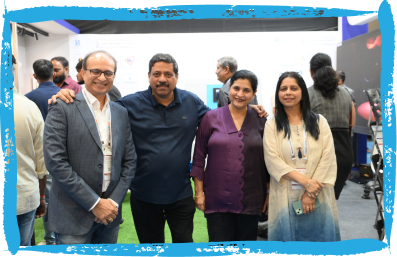
Several visitors returned specifically to continue conversations from the previous two days. There was no need for introductions—they simply picked up where they had left off, moving directly into technical discussions, project requirements, and next steps.
Another encouraging observation was how rarely anyone needed ELV explained from first principles.
Only a few years ago, much of an exhibition conversation involved introducing the discipline itself. This year, the industry arrived far better informed. Visitors asked sharper questions, explored system-level integration, and focused on solving real project challenges rather than understanding basic concepts.
One question surfaced repeatedly throughout the exhibition:
Who can integrate everything under one accountable partner?
That is precisely where we play an active role—bringing together multiple building technologies under a single, coordinated approach that simplifies execution and strengthens project outcomes.
What Three Days on the Show Floor Confirmed
Going into IIID Showcase Insider X 2026, I expected lighting to be the centrepiece of most conversations.
It certainly attracted visitors’ attention, but it was rarely where the discussion ended.
Almost every meaningful conversation evolved into broader topics: integrated building systems, coordination across disciplines, long-term accountability, lifecycle support, and the importance of a partner capable of delivering a complete, connected solution.
Perhaps the most telling observation was this: very few visitors walked into our stall simply to ask about a lighting control panel or a specific product. They stepped in because the space itself had captured their attention. They experienced an environment that felt intuitive, coordinated, and thoughtfully engineered, and naturally wanted to understand what made it work.
Their curiosity wasn’t about the hardware alone. It was about the engineering behind the experience.
That, perhaps, is the hallmark of great building technology.
When systems are designed and integrated well, they don’t draw attention to themselves they simply work, quietly enabling better spaces, better experiences, and better outcomes.
The best engineering is almost invisible.
Designed to Disappear, In Practice
IIID Showcase Insider X 2026 wasn’t just another exhibition for us. It became another chapter in a philosophy we’ve been championing for months: the best engineering isn’t something people notice—it’s something they experience.
The exhibition gave us the opportunity to move that philosophy beyond digital conversations and into meaningful discussions with the architects, consultants, PMCs, system integrators, and project teams who design, specify, and deliver today’s buildings.
In the weeks ahead, many of our conversations and insights will draw directly from what we experienced at HITEX—the questions visitors asked, the challenges they shared, and the projects they are shaping. Because the true value of an exhibition isn’t measured by the conversations it starts, but by the projects those conversations eventually create.
Where We Go From Here
The conversations that began at IIID are already moving into their next phase through a structured follow-up process tailored to each engagement, rather than a generic post-event email.
The exhibition also created valuable opportunities to deepen relationships with neighbouring OEM partners, opening the door to future collaborations that extend well beyond the show floor.
One Principle, Reinforced
Three days at HITEX didn’t change our perspective on engineering.
They reinforced it.
The market is no longer asking what integrated building systems are. Instead, the conversation has evolved to a far more important question:
Who can deliver them with consistency, accountability, and confidence?
That is the conversation we are built to have.
For us, Stall B20 was never just an exhibition space. It was a place where ideas turned into meaningful discussions, discussions evolved into opportunities, and opportunities began their journey towards real projects.